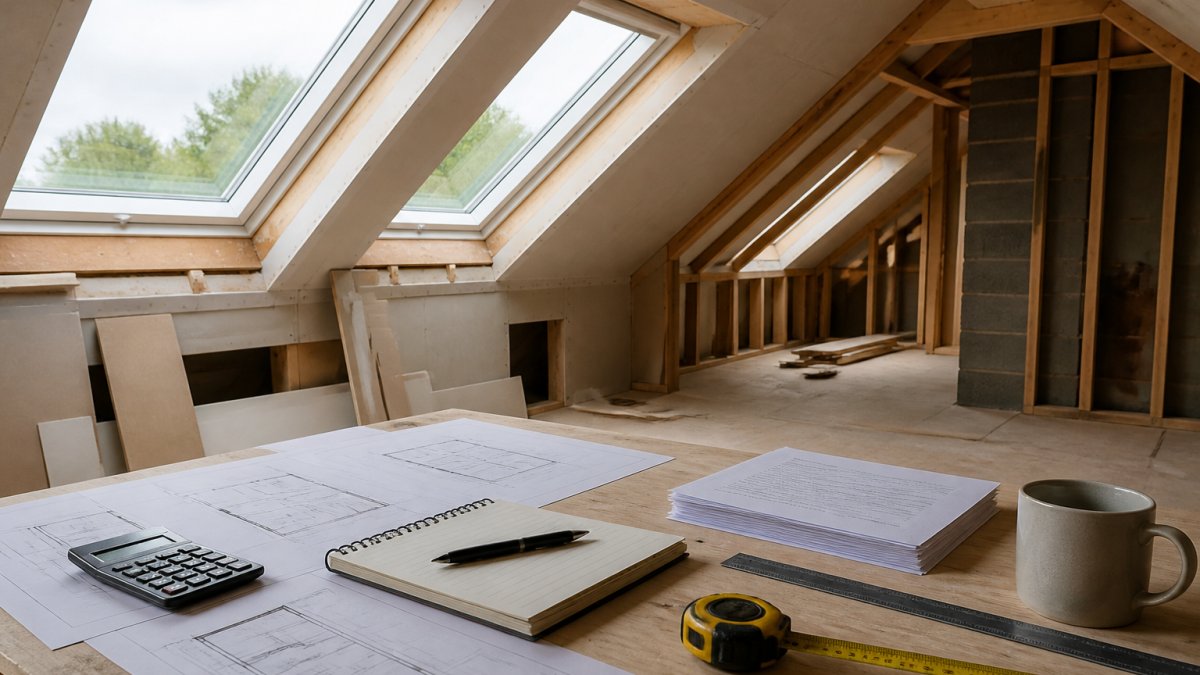
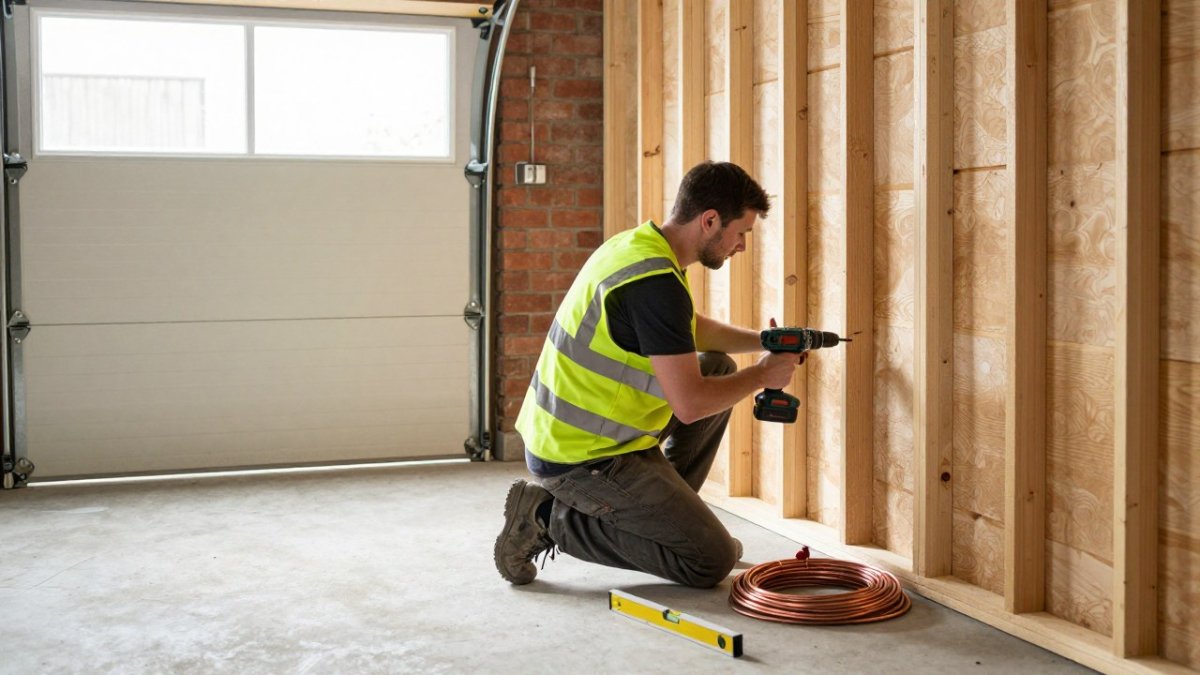
 ultimate-guide
The Homeowner's Guide to Getting a Home Extension Quote
Last Updated: October 26, 2026
Quick Summary
A home extension quote is a fixed, itemised written price for a defined scope of building work, so always request it in writing with a date and validity period. Compare quotes on scope rather than headline totals, and price any exclusions back in before deciding.
- A complete quote lists scope, foundations, structural work, building regulations, fees, materials, VAT and exclusions.
- Build a one-page grid with scope items down the side and each builder across the top.
- A quote with no stated expiry is not a fixed price, so ask for a validity date.
- Provisional sums are allowances, not fixed prices, so ask how actual costs will be evidenced.
- Tie stage payments to completed, inspected milestones and hold back retention until snagging is finished.
Table of Contents
- Why Getting a Home Extension Quote Right Matters
- What to Include in a Building Quote
- Your Home Extension Quote Checklist
- How to Compare Extension Quotes Fairly
- Using a Home Extension Cost Calculator Sensibly
- How to Assess and Verify a Builder Before You Sign
- Payment Schedules, Contracts and Contingency Planning
- Start Your Extension Project With a Fixed Written Quote
- Frequently Asked Questions
Why Getting a Home Extension Quote Right Matters
Here's what most guides get wrong: they treat the quote as a number to compare, when it is really a scope to compare. Two builders can both say "extension" and mean wildly different things.
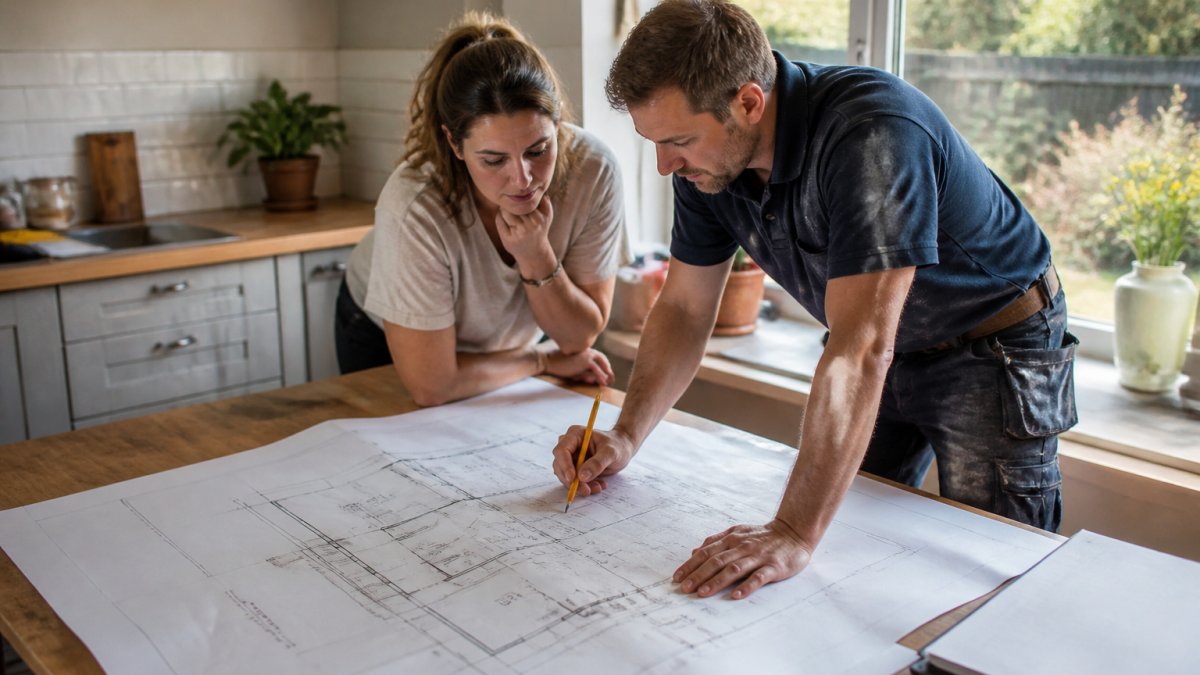
A proper extension quote also protects you legally. Under the Consumer Contracts Regulations guidance from the Competition and Markets Authority, you have cancellation and information rights on work agreed at home, so the written quote should state your rights and the total price clearly.
What to Include in a Building Quote
A complete building quote lists every element of the work, its cost, and what is excluded. Anything missing from the document is a future variation, and variations cost more than planned work.
A quote you can trust should cover:
- Scope of work in plain English, room by room and stage by stage
- Foundations and groundworks, including how ground conditions will be handled
- Building regulations applications, inspections and the completion certificate, which our guide to building regulations explained simply walks through
If a quote is missing any of these, ask why before you compare it to anything else.
Your Home Extension Quote Checklist
Use this home extension quote checklist before you invite anyone round. It turns a vague chat into a document you can actually hold a builder to.
- Measured drawings or architect's plans ready to share
- A written brief stating what you want, room by room
- Your budget ceiling and whether VAT is included in it
Documents and Details to Gather Before You Ask
Assemble your drawings, any planning correspondence, and a short written brief before the first visit. Builders quote faster and more accurately when they are not guessing. Photographs of the existing space, a note of your boiler and heating setup, and any survey reports all help. The more you hand over up front, the fewer "we didn't know about that" conversations later.
How to Compare Extension Quotes Fairly
Comparing extension quotes fairly means comparing identical scopes, not headline totals. Line up each quote against the same checklist and mark what is included, excluded or unclear. The fastest way to spot a bad comparison is to look for the gaps.
A simple approach: build a one-page grid with the scope items down the side and each builder across the top. Tick what's included, cross what's excluded, and query anything blank.
A worked example of a misleading headline price
Suppose Builder A quotes £48,000 and Builder B quotes £56,000 for what looks like the same rear extension. On the surface A is £8,000 cheaper. But read the exclusions:
- Builder A has excluded the building regulations application fee and inspection costs, structural engineer's calculations, and waste removal.
- Builder A has priced a "builder's standard" kitchen finish with no allowance for the specified units.
- Builder A has included a provisional sum of £3,000 for groundworks, which is likely to be exceeded if the ground is poor.
Once you add the missing items, Builder A's true comparable figure may be closer to £58,000-£60,000, more than B. The lesson is not that A is dishonest; it is that a headline total without a scope is not a price. Always ask for exclusions in writing and price them back in.
Quote validity, provisional sums and VAT
Like-for-like comparison means matching specification, quantities and inclusions across every quote. Check the validity period too: material prices move, so a quote dated months ago may no longer hold. Ask each builder how long their figure stands and what triggers a reprice.
Three items deserve particular scrutiny:
- Validity period. A quote with no stated expiry is not a fixed price. Ask for a validity date and what happens if you accept after it.
- Provisional sums. These are allowances for work that cannot be priced precisely until it is uncovered, groundworks, drainage, asbestos removal. They are not fixed prices. Ask how the builder will evidence the actual cost and whether they add a mark-up.
- VAT. Confirm whether each figure is inclusive or exclusive of VAT, and at what rate. A quote that says "plus VAT" is 20% higher than it first appears. Ask for the VAT amount shown separately on the face of the quote.
What to do when quotes are not comparable
If two quotes cannot be lined up, do not split the difference. Ask both builders to reissue against your written brief and scope checklist. A builder who refuses to itemise or who will not confirm exclusions in writing is giving you a reason to walk away, however competitive the headline number looks.
The article's worked example shows how a headline total can mislead once exclusions are priced back in.
| Item | Builder A | Builder B |
|---|---|---|
| Headline quote | £48,000 | £56,000 |
| Building regulations fees and inspections | Excluded | Not stated as excluded |
| Structural engineer's calculations | Excluded | Not stated as excluded |
| Waste removal | Excluded | Not stated as excluded |
| Kitchen finish | Builder's standard, no allowance for specified units | Not stated as excluded |
| Groundworks | £3,000 provisional sum | Not stated as excluded |
| True comparable figure | May be closer to £58,000-£60,000 | £56,000 headline |
Using a Home Extension Cost Calculator Sensibly
A home extension cost calculator gives a rough range based on floor area and finish level, not a price for your project. A Resi guide to a modern ground floor extension puts typical extension costs at around £2,000 to £3,000 per square metre including VAT, depending on materials and finishings.
Where calculators help is in setting expectations before you speak to anyone. Where they mislead is when a homeowner treats the output as a target a builder must hit. Ground conditions, access and specification can swing the real cost well beyond any calculator's range.
How to Assess and Verify a Builder Before You Sign
Verifying a builder means checking credentials, insurance and references before any money changes hands. A polished quote from an unverified builder is a liability.
Check these before you commit:
- Company registration and trading history
- Public liability and employer's insurance certificates, current and in date
- Gas Safe registration for any heating or gas work, which you can verify on the Gas Safe Register
Ask direct questions. A builder who hesitates on insurance or certification is telling you something. Our guide on how to choose a builder you can trust covers the red flags in more depth.
Payment Schedules, Contracts and Contingency Planning
A fair payment schedule ties money to completed stages, not to dates on a calendar. Never pay a large deposit up front, and never pay for work that hasn't been done and inspected. This is the section most cost guides skip, and it is where the real money is won or lost.
Structuring a stage payment schedule
A common and defensible pattern is:
- Deposit on signing, a modest sum to secure the programme and order materials, not a large percentage of the contract.
- Stage payments as foundations, structure, roof and first fix complete, each released only after you have inspected the work and any certification has been provided.
- Second fix and finishes released as those stages complete.
Ask for the schedule in writing before you sign, and make each payment conditional on a named milestone being reached and signed off. If a builder asks for most of the money before work starts, or will not put a programme in writing, that is a risk you cannot price.
Contract terms to insist on
A written contract should set out, at minimum:
- The scope of work and the specification, cross-referenced to the drawings and quote.
- The contract price, the VAT treatment, and how variations will be priced and approved.
- The payment schedule and the programme, with start and completion dates.
If a builder will not sign a written contract, do not proceed. Verbal agreements are almost impossible to enforce when something goes wrong.
Contingency planning and price changes
Keep a contingency of your own, separate from the contract price, for the surprises that extensions reliably produce: unexpected ground conditions, asbestos, or a heating system that needs replacing mid-build. A common pattern is to hold back a meaningful reserve rather than committing your full budget to the contract price.
Price changes should be handled through a written variation process: the builder prices the change, you approve it in writing before the work is done, and the contract price and programme are updated. Our article on how long a house extension takes to build helps you map payment stages against a realistic programme, and our guide to building regulations explained simply covers the sign-offs that should trigger final payments.
Start Your Extension Project With a Fixed Written Quote
Getting a home extension quote right comes down to three habits: demand a fully itemised written scope, compare like for like, and verify the builder before you sign. Do those and the number on the page means something.
At Bristol Construction & Heating Co Ltd, we keep construction and heating under one roof, so your extension, plumbing and Gas Safe heating work are managed by one accountable team from first visit to final sign-off.
Tell us about your loft, extension or renovation and we'll arrange a free home visit and a fixed written quote. You can get your free quote or explore our house extensions service to see how we scope and build.
Frequently Asked Questions
What should a home extension quote include?
A thorough home extension quote should list labour, materials, structural work, foundations, windows and doors, roofing, plumbing and electrical work, plus professional fees and VAT. Ask whether planning permission and building regulations costs are included and whether a contingency is built in. The quote should also state the project timeline, payment schedule and what happens if ground conditions or asbestos are found after work starts.
How many quotes should I get for a home extension?
Three written quotes is the usual benchmark, enough to compare extension quotes without dragging the process out for months. Request each one against the same drawings and specification so the figures are like-for-like. Ask each builder to break costs down by stage and to confirm what is excluded. If one quote is far lower than the rest, check what has been left out before treating it as the best deal.
How can I compare extension quotes fairly?
Compare extension quotes line by line against the same specification, not just the total. Check that every quote covers the same materials, finish level, structural work and professional fees. Look at quote validity dates, payment schedules and what each builder says about unforeseen costs. A home extension cost calculator can give a rough range, but only a written quote tied to your drawings tells you what you will actually pay.
How long does it take to get a quote for a home extension?
A simple single-storey extension can be quoted within a week or two of a site visit, while larger or two-storey projects with structural changes often take longer because the builder needs drawings, a structural engineer's input and possibly a site survey. Delays usually come from incomplete plans rather than the builder. Having your drawings, specification and any planning or building regulations paperwork ready before you request a quote speeds things up considerably.
Is £30,000 or £50,000 enough for an extension?
Whether a budget is enough depends on size, specification, ground conditions and location, so no single figure fits every project. Rather than working from a headline number, ask builders to quote against your drawings and compare what each price includes. A home extension cost calculator can help you sense-check a budget, but treat the written quote as the real figure. Keep a contingency for unforeseen structural or ground issues.
What happens if planning permission takes longer than expected?
Planning timelines are set by the local authority, not the builder, so delays can happen even on well-prepared applications. A good quote should state what is and is not included for planning and building regulations, and how the project timeline adjusts if approval takes longer. Ask upfront who submits the application, who liaises with the council and whether the price is held if the start date moves.